 Ridgeline Dumpster Rental
How To Rent A Dumpster Nashville
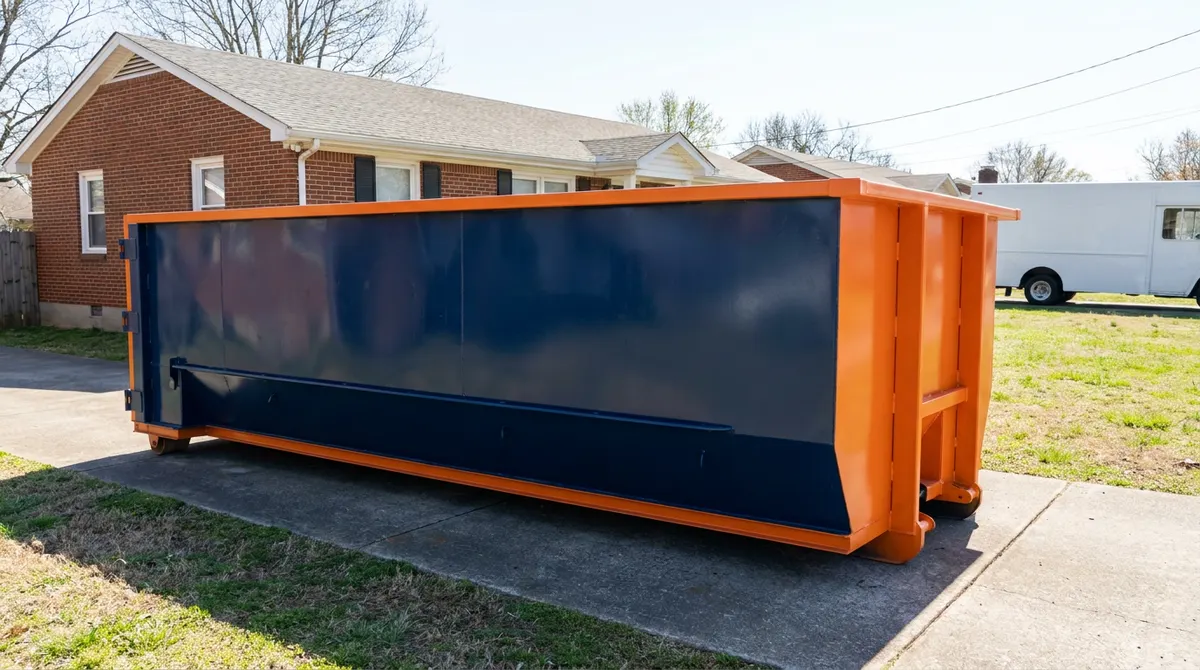
Renting a dumpster in Nashville involves a clear process, from selecting the correct size for a project to understanding local placement requirements and scheduling delivery and pickup. This guide details the steps for securing a roll-off dumpster, ensuring efficient waste management for residential cleanouts, construction debris, or landscaping projects across neighborhoods like East Nashville, Green Hills, and Bellevue.
Choose Your Dumpster Size and Rental Dates
<p>Selecting the appropriate dumpster size and rental period is the initial step in the Nashville dumpster rental process. Dumpsters are measured in cubic yards, indicating the volume of material they can hold. Common sizes available for rent in Nashville include 10-yard, 15-yard, 20-yard, and 30-yard containers. For instance, a 10-yard dumpster typically accommodates debris from a small bathroom remodel or garage cleanout, equivalent to roughly four pickup truck loads. A 20-yard dumpster is often suitable for larger home renovations or roof tear-offs, holding about eight pickup truck loads of material. Project duration also dictates rental dates; standard rental periods often range from 7 to 14 days, with options for extensions if needed. Consider the volume of debris and the project timeline before finalizing the size and dates.</p><ul><li><strong>10-Yard Dumpster:</strong> Ideal for small cleanouts or minor landscaping. Often fits well on narrow lots common in older areas like East Nashville and Germantown.</li><li><strong>15-Yard Dumpster:</strong> Suitable for single-room renovations or medium-sized decluttering projects.</li><li><strong>20-Yard Dumpster:</strong> A versatile option for larger home remodels, flooring removal, or deck demolition.</li><li><strong>30-Yard Dumpster:</strong> Best for major construction projects, whole-home cleanouts, or commercial site debris.</li></ul>
Confirm Dumpster Placement and Access Clearance
<p>Confirming adequate space and compliance for dumpster placement is critical before delivery. Dumpster placement requires clear overhead clearance and sufficient ground space. Standard roll-off dumpsters are typically 8 feet wide and range from 12 to 22 feet long, requiring a clear path for the delivery truck. Driveways are common placement areas, but property owners should consider potential driveway damage, especially with Nashville's heavy clay soil and spring rains; laying down plywood sheets under the dumpster wheels is a common recommendation to distribute weight and protect surfaces. Street placement often requires a permit from Metro Nashville Public Works, particularly in areas like Germantown or near Vanderbilt University where street frontage is limited. Always verify local regulations regarding street permits before scheduling. The truck needs about 50 feet of straight-line clearance for delivery and pickup, along with 15 feet of overhead clearance for power lines, tree branches, or building overhangs.</p><ul><li><strong>Driveway Space:</strong> Ensure at least 60 feet of clear, flat space for the truck to maneuver and place the dumpster.</li><li><strong>Overhead Clearance:</strong> Verify a minimum of 15 feet of vertical clearance from power lines, tree limbs, and eaves.</li><li><strong>Surface Protection:</strong> Utilize plywood or boards to protect concrete or asphalt driveways, especially during wet conditions.</li><li><strong>Street Permits:</strong> Check with Metro Nashville Public Works for permit requirements if street placement is necessary.</li><li><strong>Accessibility:</strong> Confirm no parked cars, construction materials, or other obstructions block the delivery and pickup path.</li></ul>
Book and Schedule Dumpster Delivery in Nashville
<p>Booking the dumpster and scheduling delivery involves contacting a local provider and finalizing the rental agreement. Most Nashville dumpster rental services offer online booking or phone reservations, such as calling <a href="https://www.nashvilledumpsterrentals.com/">Nashville Dumpster Rentals</a> at (629) 313-7841. During booking, provide the selected dumpster size, desired rental dates, and the precise delivery address, including specific instructions for placement on the property. The rental agreement will detail the rental period, tonnage limits, acceptable materials, and any potential overage fees. A minimum charge of $595 typically applies to most rentals in the Nashville service area. Confirm the delivery window; many providers offer flexibility, but scheduling in advance, especially during peak construction seasons or after events like spring storms along the Cumberland River corridor, is advisable to ensure availability. For detailed guidance on what materials are accepted and prohibited, consult resources like the <a href="https://www.epa.gov/hw/learn-about-hazardous-waste">EPA's hazardous waste guidelines</a>.</p><ol><li><strong>Contact a Provider:</strong> Reach out via phone or online to discuss your project needs and obtain a quote.</li><li><strong>Confirm Details:</strong> Specify dumpster size, rental duration, and delivery location.</li><li><strong>Review Agreement:</strong> Understand the terms, including tonnage limits, prohibited items, and pricing structure.</li><li><strong>Schedule Delivery:</strong> Select a delivery date and preferred time window that aligns with your project timeline.</li><li><strong>Prepare Site:</strong> Ensure the placement area is clear and accessible on the scheduled delivery day.</li></ol>
What Happens on Dumpster Pickup Day
<p>On the scheduled pickup day, the rental company will dispatch a truck to retrieve the dumpster from the specified location. Customers are responsible for ensuring the dumpster is loaded correctly and that no prohibited materials are present. The debris should not exceed the top edge of the dumpster, as this can create unsafe transport conditions and may incur additional fees. Weight limits are also enforced; exceeding the agreed-upon tonnage can result in extra charges, as haulers must adhere to Department of Transportation (DOT) regulations for vehicle weight. It is advisable to distribute weight evenly within the container to prevent shifting during transit. Once the hauler arrives, they will secure the dumpster onto their truck and transport it to a local disposal facility or recycling center. The entire process is designed to be straightforward, requiring minimal customer involvement beyond proper loading. For information on responsible waste disposal practices, the <a href="https://www.earth911.com/">Earth911 website</a> offers local recycling options.</p>
Quick questions
What is the smallest dumpster size available in Nashville?
The smallest common dumpster size available for rent in Nashville is typically a 10-yard dumpster, suitable for minor projects or areas with limited space, such as older driveways in East Nashville.
Do I need a permit for a dumpster in Nashville?
A permit from Metro Nashville Public Works is generally required if a dumpster needs to be placed on a public street or right-of-way. Driveway placement usually does not require a permit.
What items are prohibited in a rental dumpster?
Prohibited items in rental dumpsters typically include hazardous materials like paints, oils, chemicals, asbestos, tires, and large appliances with refrigerants. Consult your rental agreement for a complete list, or reference <a href="https://www.tn.gov/environment/program-areas/solid-waste/hazardous-waste.html">Tennessee's hazardous waste regulations</a>.
How long can I keep a rental dumpster in Nashville?
Standard rental periods in Nashville often range from 7 to 14 days, though extensions can typically be arranged for an additional fee. Confirm the exact duration with the rental provider during booking.
What is the minimum cost for a dumpster rental in Nashville?
The minimum charge for a dumpster rental in Nashville is typically $595, which covers the delivery, rental period, and initial tonnage allowance.
Need it handled now? See Dumpster Rental in Nashville.